Share

What dementia research, immune cells, ALS insights, and biotech innovation reveal about preparing for tomorrow’s challenges.
 ‌ ‌ ‌ ‌ ‌ ‌ ‌ ‌ ‌ ‌ ‌ ‌ ‌ ‌ ‌ ‌ ‌ ‌ ‌ ‌ ‌ ‌ ‌ ‌ ‌ ‌ ‌ ‌ ‌ ‌ ‌ ‌ ‌ ‌ ‌ ‌ ‌ ‌ ‌ ‌ ‌ ‌ ‌ ‌ ‌ ‌ ‌ ‌ ‌ ‌ ‌ ‌ ‌ ‌ ‌ ‌ ‌ ‌ ‌ ‌ ‌ ‌ ‌ ‌ ‌ ‌ ‌ ‌ ‌ ‌ ‌ ‌ ‌ ‌ ‌ ‌ ‌ ‌ ‌ ‌ ‌ ‌ ‌ ‌ ‌ ‌ ‌ ‌ ‌ ‌ ‌ ‌ ‌ ‌ ‌ ‌ ‌ ‌ ‌ ‌ ‌ ‌ ‌ ‌ ‌ ‌ ‌ ‌ ‌ ‌ ‌ ‌ ‌ ‌ ‌ ‌ ‌ ‌ ‌ ‌ ‌ ‌ ‌ ‌ ‌ ‌


No Images? Click Here

Dear colleague,


In this edition of VIBTimes, we explore how science helps build societal resilience, from decoding the dementia puzzle to gearing up biotech for tomorrow’s challenges. Along the way, you’ll discover immune cells with a split personality, new clues in ALS, smarter ways to test antibodies, and the people and partnerships that propel our research forward. 

SCIENCE FOR SOCIETAL RESILIENCE

The dementia puzzle

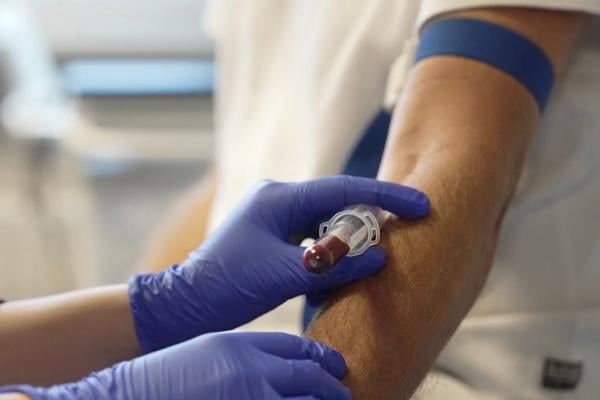
With an aging population, it's a growing and urgent challenge to manage and potentially treat Alzheimer's disease and other forms of dementia. Several VIB teams are contributing to a large-scale research project funded by the Flemish Government to validate innovative blood tests for Alzheimer’s disease. Similarly, the 1000 Healthy Elderly study might help us find early warning signs of dementia.

► Read more about the Flemish Cognitive Compass 

► What's the 1000 Healthy Elderly study all about?  

Biotech for resilience

In a world that is moving fast, we are facing many challenges. Biotech can play a role in addressing them. Against this backdrop, the Flemish Government launched the Flemish Innovation and Industry Strategy for Security and Defense (VISD). Within this long-term program, VIB is actively plays an active role in strengthening Flanders’ biotech, medtech, and biomanufacturing ecosystem to help protect society and public health.

► On preparing for tomorrow's challenges

THE SCIENTIFIC FOUNDATION 

A new line of defense for the brain

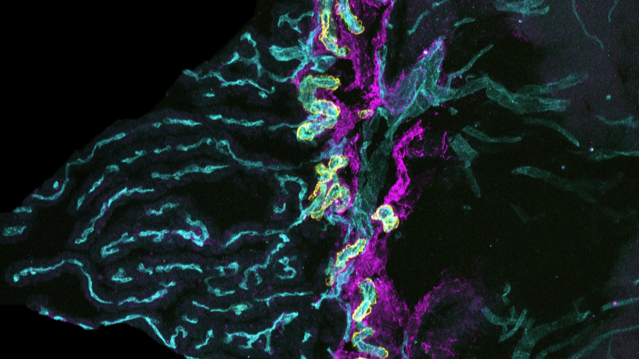
The brain is protected from the rest of the body by multiple barriers, which are surprisingly poorly defined. A new layer of cells has now been identified that acts as a smart gate and can become vulnerable during infection.

► Discover the brain's gatekeeper.

Why protein production fails in ALS

In the motor neurons of ALS animal models, protein production is severely impaired. These problems arise long before symptoms appear and can be mitigated by the molecule spermidine in animal models.

► What’s going on with protein production in ALS?

Meet NanoSaurus

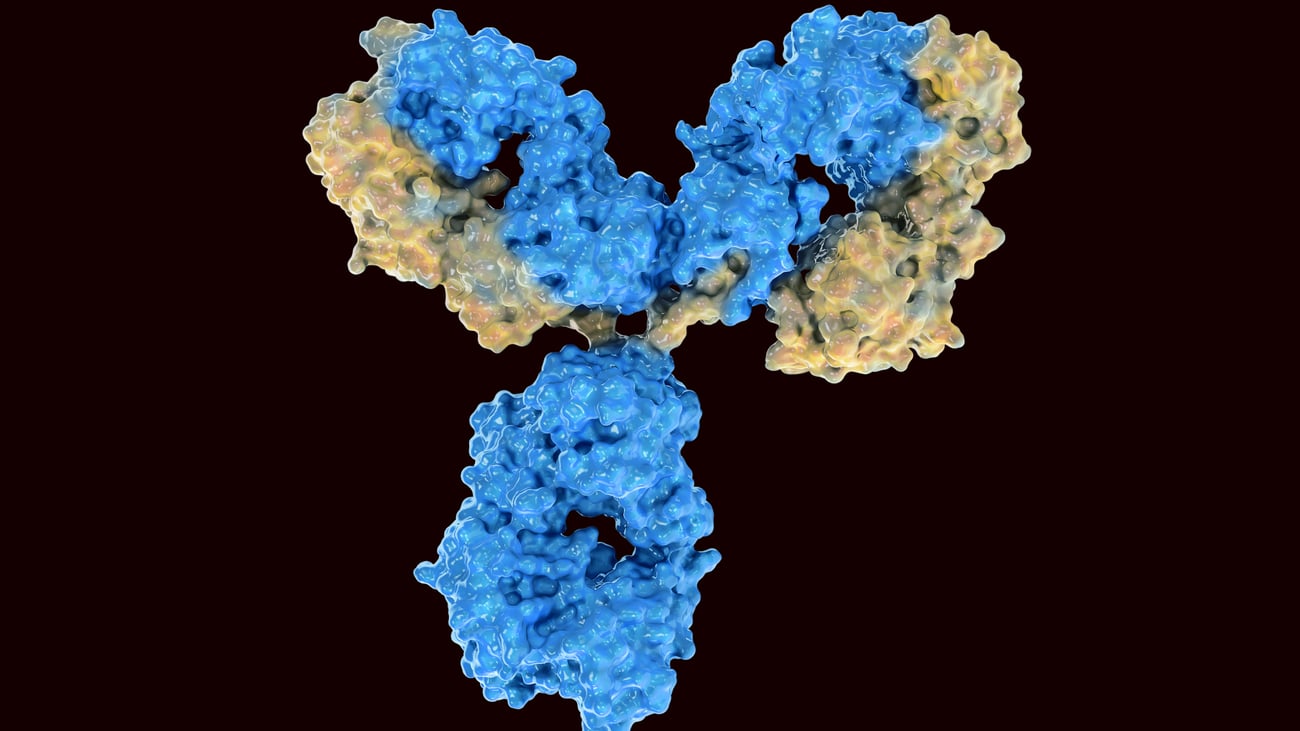
Nanobodies® are derived from the heavy-chain-only antibodies found in camelids such as llamas and alpacas. Their small size, stability, and simple genetic architecture make them versatile tools in basic research, including diagnostics and biotechnology. NanoSaurus is an open and curated database designed to capture, preserve, and share single-domain antibody sequences. 

► Say hi to NanoSaurus.

Gut immune cells linked to Parkinson’s

Parkinson’s disease is best known for its effects on the brain, but growing evidence points to the gut as an early site of change. A new study highlights intestinal immune cells as potential early drivers of the disease. These cells normally help maintain balance in the gut, but also appear to trigger inflammatory processes that may contribute to Parkinson’s development long before neurological symptoms arise.

► Explore how the gut may shape Parkinson’s disease.

Also:

► Recent National Geographic coverage shows how VIB researchers are blending centuries-old brewing knowledge with cutting-edge biotechnology, a combination that’s quietly reshaping what alcohol-free beer can be.  

► A new platform is redefining antibody testing - bringing research closer to real patient biology and reducing costly clinical trial failures.

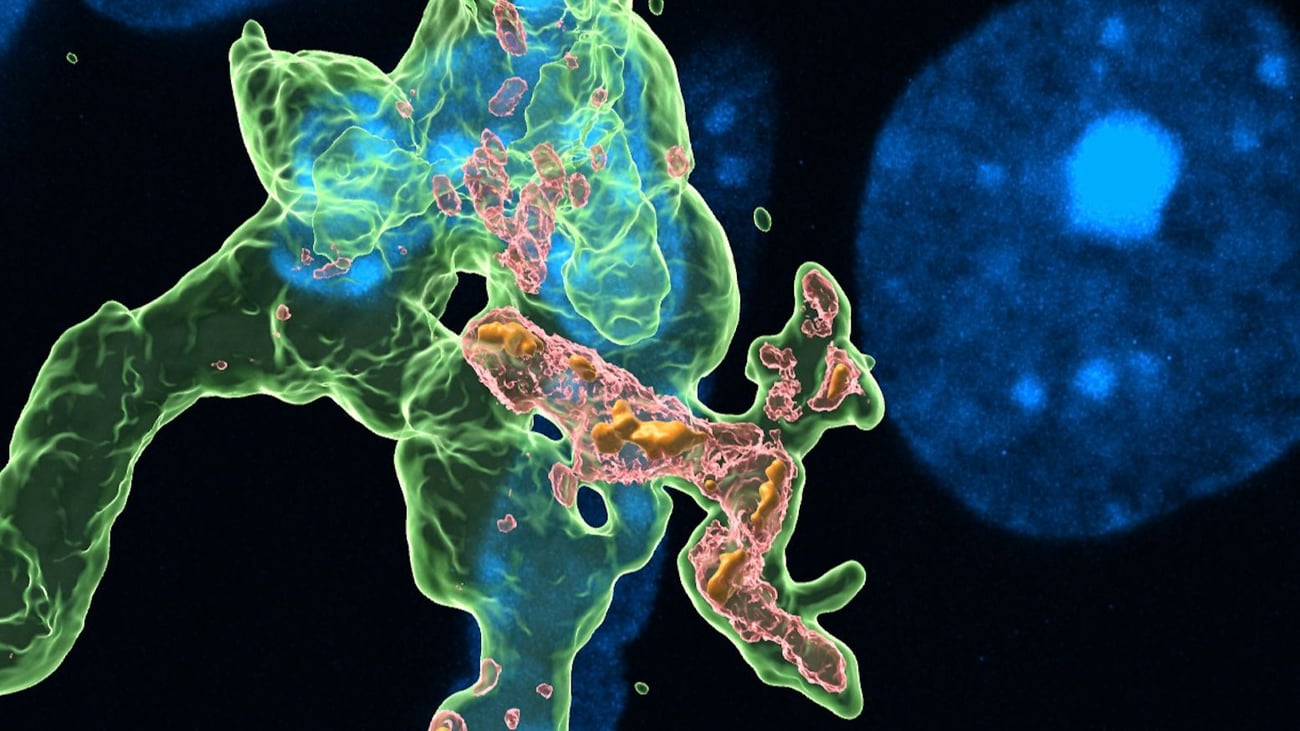
► Dive into the world of immune cells and discover how lung macrophages can shift from protective guardians to powerful drivers of allergic reactions.

A THRIVING ECOSYSTEM 

Launching the European Life Sciences Coalition

Together with partners and in association with Invest Europe, VIB has launched a new European Life Sciences Coalition (ELSC) to help its biotech breakthroughs grow at home. Despite brilliant science, most funding (and IPOs) still happens abroad. The goal? Turn great ideas into European success stories. 

► Meet the ELSC.

ENABLING TECHNOLOGY 

Taming the data deluge of modern flow cytometry

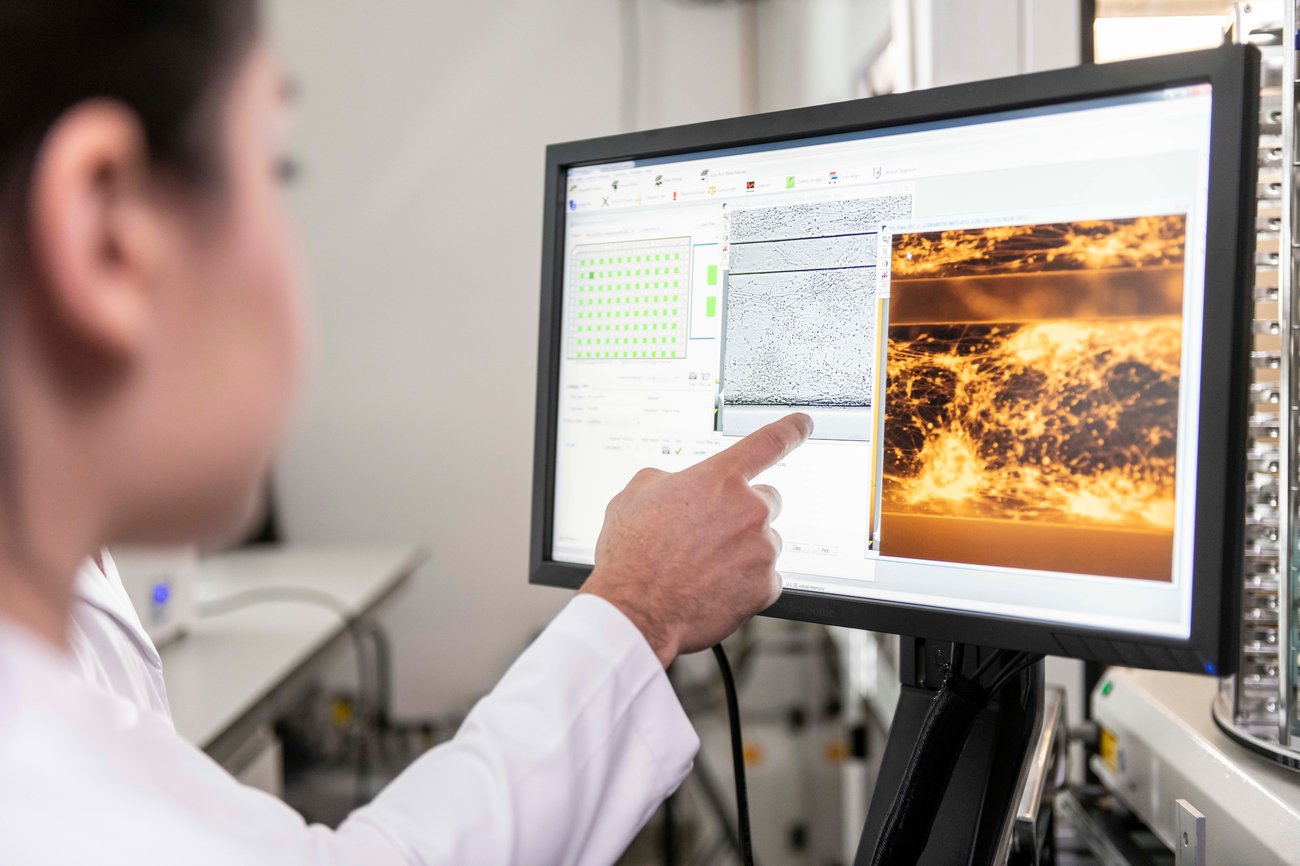
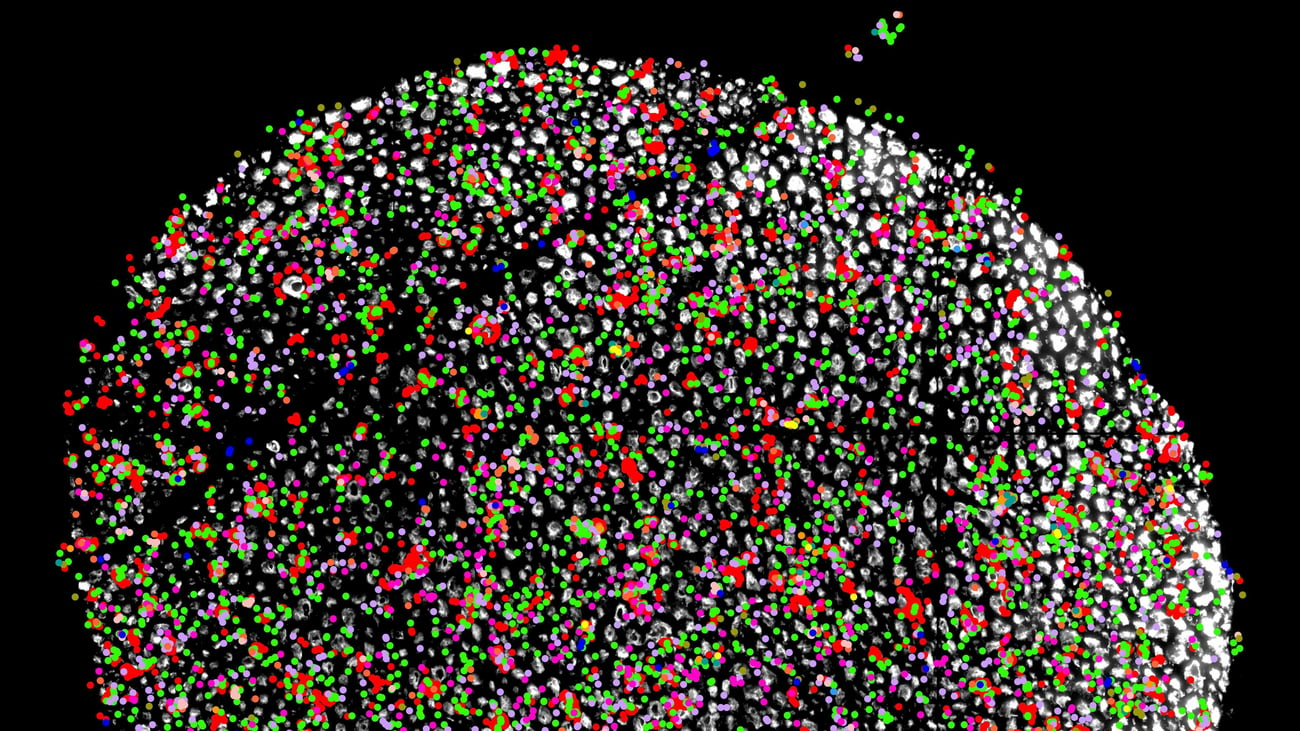
After seventy years of steady evolution, flow cytometry has undergone a radical shift, expanding the boundaries of cellular analysis while demanding entirely new skills to navigate the results. New techniques have pushed measurement capabilities far beyond traditional instruments, creating both extraordinary opportunities and significant analytical challenges.

► Dive into the data stream.

THE PEOPLE POWERING SCIENCE

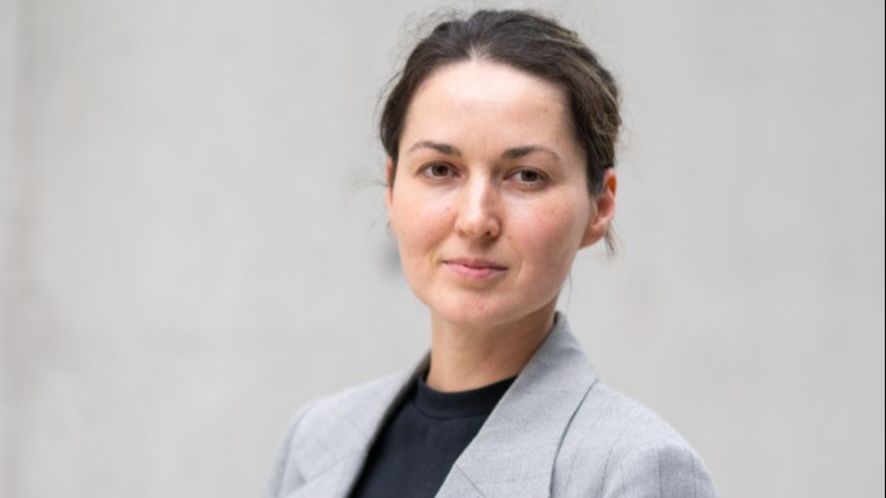
Meet Polina Novikova

Coming from the Max Planck Institute for Plant Breeding Research, Polina Novikova joins the VIB-UGent Center for Plant Systems Biology (PSB) as PI. Her work is all about the roots of polyploidy.

► Learn all about polyploidy and life as a new PI.

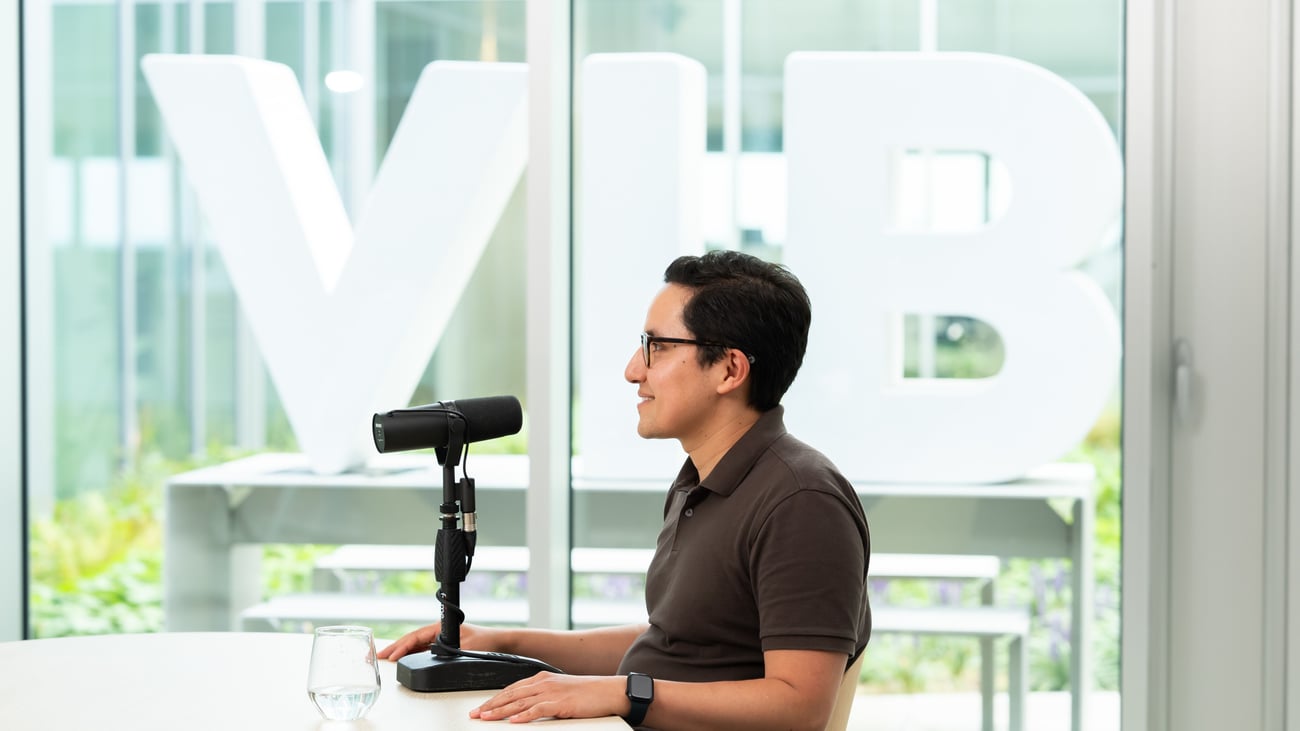
What shapes a scientific career?

We sit down with VIB scientists to reflect on their scientific career, the doubts, and values that guide their path. Plus some extra tips on fermenting chili's and becoming a science influencer! Read (or listen) to their journeys:

► Ruben Vazquez-Uribe

► Elina Kuznecova

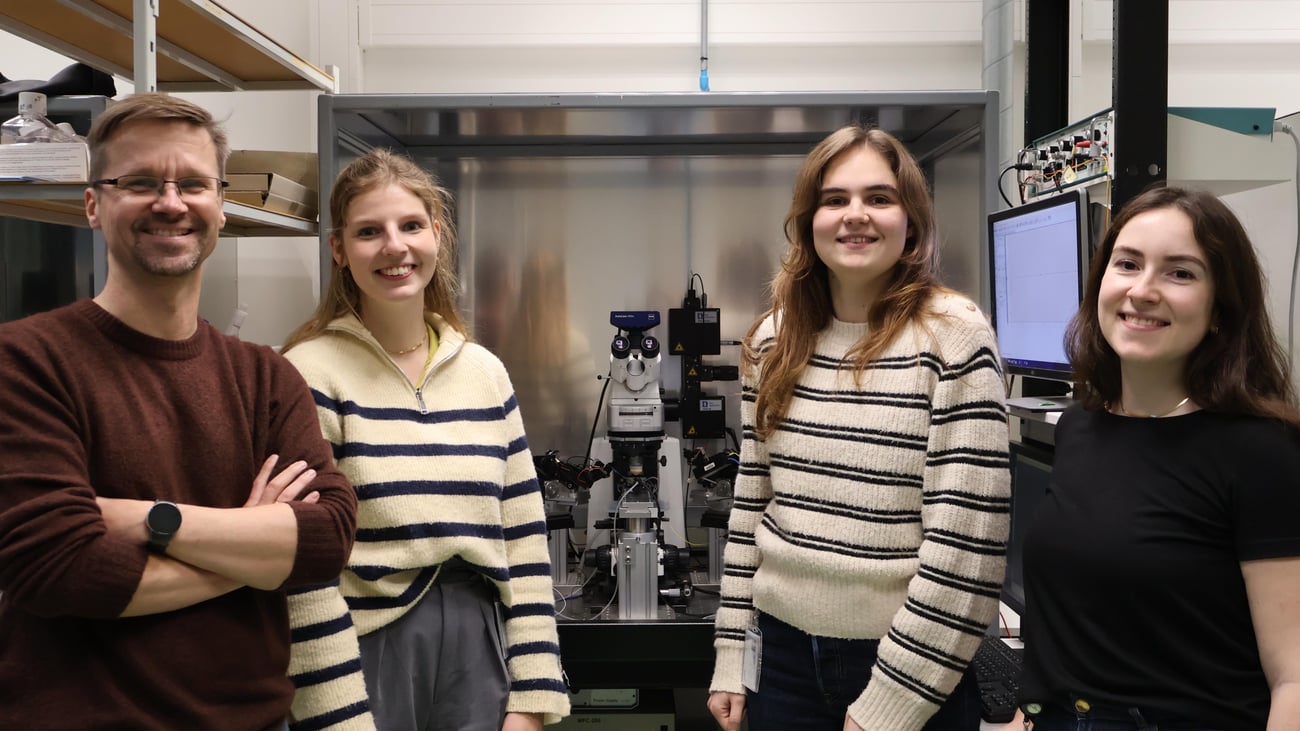
Electricity within the brain: Electrophysiology in neuroscience

At the interface where electrical signals meet the structural complexity of the brain lies the field of electrophysiology. To make sense of this, we interviewed the team of the Electrophysiology Expertise Unit at the VIB-KU Leuven Center for Neuroscience. 

► Get electrified. 

A round of applause

Several VIB researchers have received awards and other recognition since our last update. Join us in congratulating… 

► Albena Jordanova receives the Generet Prize for research into Charcot-Marie-Tooth disease.

► Eleven VIB researchers receive a grant from Stichting Alzheimer Onderzoek. 

► Savvas Savvides as new Vice-Chair of the EMBL Council.

► Pierre Vanderhaeghen for receiving the 2025 Fyssen Foundation International Prize. 

► Eleven VIB researchers who received grants from the Queen Elisabeth Medical Foundation.

► Joleen Masschelein for being awarded a Gram-negative Antibiotic Discovery Innovator (Gr-ADI) grant from the Novo Nordisk Foundation (NNF).  

► VIB welcomes 12 new Marie Curie fellows.

CONFERENCES

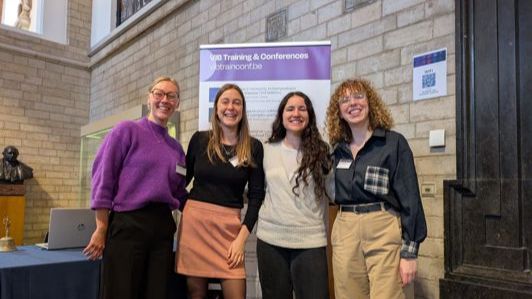
Tumors as dynamic ecosystems

With over 300 attendees, the 3rd VIB Conference on Tumor Heterogeneity, Plasticity and Therapy (THPT25) in Leuven created a vibrant environment for scientific discussions that are still resonating days later. 

► Follow along our conference reporters.

Coming soon:

Type 2 immunity in homeostasis and disease (3rd edition)

Type 2 immunity in homeostasis and disease (3rd edition)

9-10 Mar 2026, Ghent

Type 2 immunity in homeostasis and disease (3rd edition)

Next-generation mRNA vaccines against complex pathogens: From antigen selection to clinical translation

25-26 Mar 2026, Leuven

► Explore more

WORKING AT VIB

Pushing scientific boundaries, using cutting-edge tech, and making real-world impact. Does that sound like your kind of challenge? Explore our job openings to find your fit or share them with someone who might be interested.

► Social Media Officer

     VIB Headquarters


► Postdoctoral Researcher
     VIB-UGent Center for Plant Systems Biology


► PhD position in Structural analysis of membrane protein complexes using cryo-EM
     VIB-VUB Center for Structural Biology

► Explore all open positions.

FOLLOW US ON

Click here to unsubscribe

VIB, Suzanne Tassierstraat 1, 9052 Ghent, Belgium

Read your privacy settings here

Email Marketing by ActiveCampaign