|
|
|
|
|
|
Help us tailor this newsletter to you |
|
|
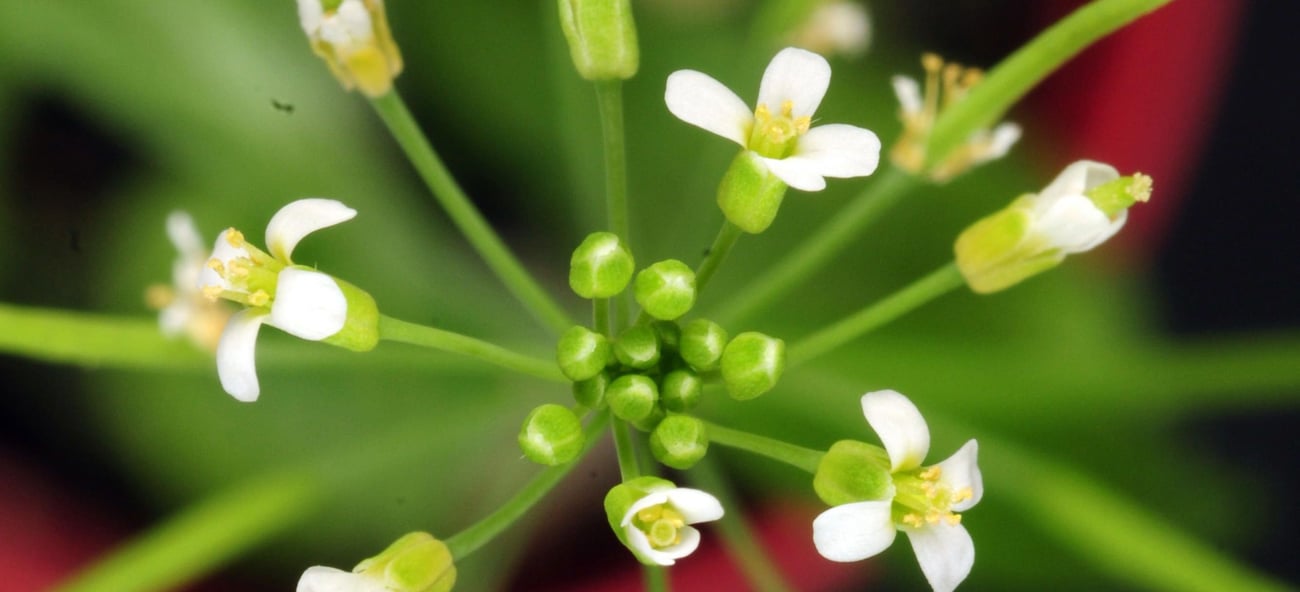 |
How to survive an asteroid strike |
When an asteroid wiped out the (non-avian) dinosaurs, plants survived. Researchers led by Yves Van de Peer (VIB-UGent) found that accidental genome duplications might have helped many flowering plants survive some of the most extreme environmental upheavals in Earth’s history. |
|
|
|
|
|
|
 |
|
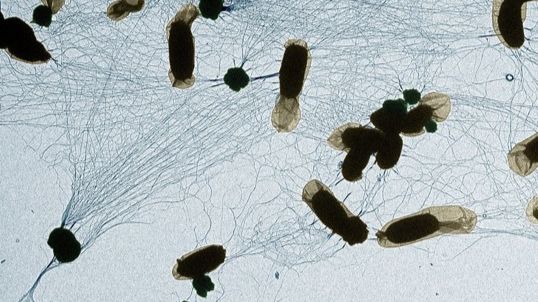
Bacteria nets power up biopesticides |
|
In a study led by Han Remaut (VIB-VUB), scientists have observed that bacteria can build previously unknown fibrous network called ‘sporesilk’, a natural nanofiber net that can increase the effectiveness of biopesticides. The finding could pave the way for more potent and reliable biological pesticides for sustainable agriculture. |
|
 |
|
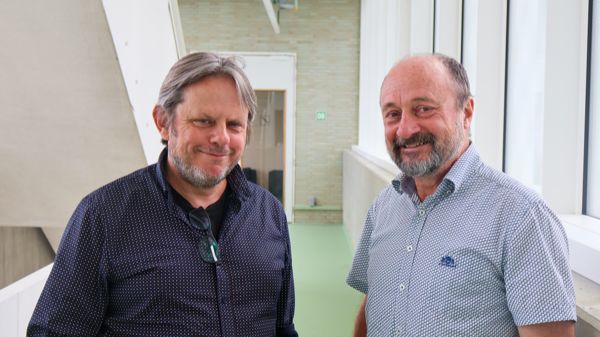
An Azheimer tipping point |
|
How do some people who have all the hallmarks of Alzheimer’s disease stay cognitively healthy? Led by Bart De Strooper and Mark Fiers (VIB-KU Leuven), researchers have identified a cellular tipping point this is linked to disease progression, opening up new therapeutic avenues. |
|
|
|
|
|
|
 |
|
A Belgian ‘Nobel Prize’ |
|
Also known as the Belgian ‘Nobel Prize’, the Francqui-Collen Prize honors Belgian pioneers who have greatly advanced their field. Diether Lambrechts (VIB-KU Leuven)receives the prize for his research into identifying the most effective treatments for cancer tumors. |
|
 |
|
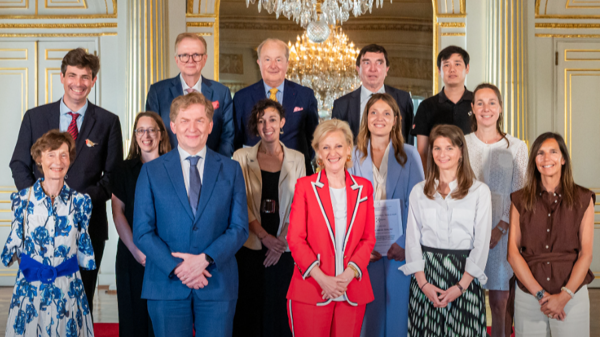
Queen Elisabeth Medical Foundation awards |
|
From Alzheimer’s disease and Parkinson’s-related mechanisms to sleep biology and neural circuitry, this year’s VIB recipients of the Queen Elisabeth Medical Foundation awards show how VIB research spans the frontiers of neuroscience. |
|
|
|
|
|
|
|
|